

Selecting high-quality linens in bulk requires a balance between textile durability, skin-friendly materials, and cost-efficiency. For hospitality managers and home textile retailers, the decision-making process often hinges on whether the fabric can withstand industrial laundering while maintaining a premium feel.
The shift toward sustainable and hypoallergenic materials has redefined what buyers look for in the supply chain. No longer is "thread count" the sole metric of quality; breathability, antibacterial properties, and OEKO-TEX certification have become critical benchmarks for global procurement.
Understanding the nuances of material sourcing and production timelines is essential for maintaining a consistent inventory. If you are evaluating options for cotton bed sheet wholesale, this guide analyzes the technical factors and selection frameworks necessary for professional procurement.


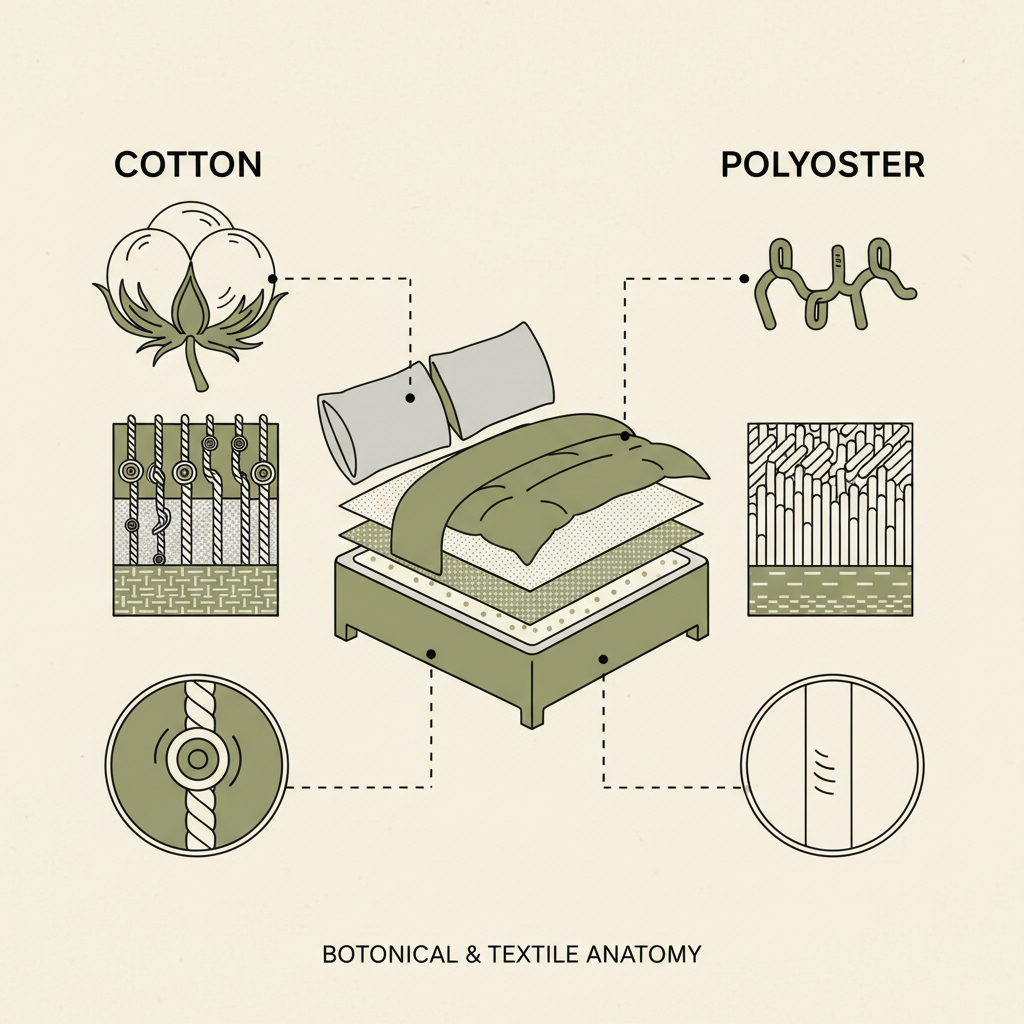
The core of any bedding procurement strategy lies in the fiber composition. While 100% cotton remains the gold standard for luxury and breathability, the industry has evolved to incorporate blends and alternative fibers like bamboo to enhance specific functional attributes such as moisture-wicking and antibacterial resistance.
For those engaging in wholesale, the distinction between long-staple and short-staple cotton is paramount. Long-staple fibers produce a smoother yarn with fewer ends, resulting in a sheet that is not only softer to the touch but significantly more resistant to pilling over hundreds of wash cycles.
The weave pattern determines the tactile experience and the structural integrity of the sheet. Percale weaves, characterized by a one-over-one-under pattern, offer a crisp, matte finish and superior breathability, making them ideal for warmer climates or high-turnover hotel rooms. In contrast, sateen weaves utilize a four-over-one-under structure, creating a lustrous sheen and a silkier feel.
Beyond aesthetics, the weave affects how the fabric reacts to industrial cleaning. A tighter weave may offer more durability but can take longer to dry, impacting the operational efficiency of laundry services. Buyers must analyze the balance between the "hand-feel" and the actual utility required for their specific business model.
Advanced manufacturing now allows for specialized finishes. For instance, quilted textures or bamboo jacquard air layer fabrics provide additional thermal regulation and cushioning, expanding the utility of bedding sets from simple covers to functional sleep-enhancement tools.
In a global market, certifications serve as the primary verification of quality and safety. The EU OEKO-TEX standard is particularly critical, as it ensures that the textiles are free from harmful substances and are safe for human contact. This is non-negotiable for products destined for hospitals or high-end hotels.
Certification is not merely a marketing badge but a risk mitigation tool. Adherence to standards like OEKO-TEX ensures that wholesale batches remain consistent in toxicity levels and chemical safety across different production runs.
Furthermore, the integration of eco-friendly features—such as being anti-bacteria, anti-dust mite, and non-toxic—is increasingly driven by certification. These attributes are essential for creating a healthy sleeping environment, particularly for users with sensitive skin or respiratory issues.
Different materials serve different operational needs. While 100% cotton is prized for its classic feel, bamboo fibers offer superior moisture management and inherent antibacterial properties. Poly-cotton blends are often selected for their resilience and ease of care, reducing wrinkles and drying time.
Evaluating these materials requires a multi-dimensional approach. The following index provides a relative assessment of how common wholesale fabrics perform across five key industrial metrics.
The application environment dictates the product specifications. In a hotel setting, the priority is a combination of "crispness" and extreme durability to withstand daily high-temperature washing. Here, high-grade cotton or poly-cotton blends with high thread counts are preferred to ensure a luxury guest experience without sacrificing the lifespan of the linen.
In healthcare environments, the requirements shift toward hygiene and hypoallergenic properties. Anti-dust mite and antibacterial treatments become primary. For these scenarios, bamboo-based fabrics or specialized treated cotton are ideal, as they provide a healthy sleeping environment while remaining machine washable in cold water to preserve the efficacy of the antibacterial coatings.
The textile industry is moving toward a circular economy. There is a growing demand for biodegradable fibers and water-less dyeing processes. The integration of 100% bamboo fibers represents a significant step, as bamboo grows rapidly with fewer pesticides than traditional cotton, offering a more sustainable footprint for large-scale wholesale orders.
Beyond the raw material, the "care lifecycle" is being re-evaluated. Products that dry quickly on tumble and require lower wash temperatures are becoming more attractive to commercial buyers looking to reduce energy costs. This shift is driving innovation in fiber engineering to maintain softness without the need for chemical softeners.
We are also seeing a trend toward hyper-customization. Wholesale buyers no longer accept "one size fits all"; instead, they seek customized quilted pillowcases or specific fitted sheet depths to match a diverse range of mattress types, requiring suppliers to be more agile in their OEM and ODM capabilities.
Executing a successful wholesale purchase requires a systematic evaluation of the supplier's production capacity and quality control. A reliable partner should offer clear lead times—typically 3-7 workdays for samples and 25-35 days for mass production—to allow for proper inventory planning.
Quality control must be monitored from the initial yarn selection to final packaging. For a business, the cost of a defective batch far outweighs the savings of a cheaper, uncertified supplier. Evaluating the supplier's response time and willingness to provide customized samples is a key indicator of their operational reliability.
To simplify the selection process, the following framework compares typical material choices based on specific business needs, balancing the trade-offs between comfort, cost, and longevity.
| Application | Recommended Material | Primary Benefit | Maintenance Level |
|---|---|---|---|
| Luxury Hotels | Long-staple Cotton | Premium Hand-feel | High (Ironing required) |
| Budget Hospitality | Poly-Cotton Blend | Durability/Cost | Low (Easy-care) |
| Medical Facilities | Antibacterial Bamboo | Hygiene/Safety | Medium (Cold wash) |
| Eco-Retail | 100% Organic Cotton | Sustainability | Medium (Natural care) |
| Airbnbs/Rental | Cotton Jersey/Flannel | Cozy Experience | Medium (Standard wash) |
| Hospitality Spas | Bamboo Jacquard | Absorbency/Softness | Medium (Tumble dry) |
The most reliable method is to request samples first, which typically take 3-7 workdays. Evaluate the sample for stitch density, fabric weight, and shrinkage after one wash. Additionally, request the OEKO-TEX certificate to ensure chemical safety. A professional supplier will provide these documents and allow for negotiable sample costs to establish a long-term partnership.
Cotton is prized for its classic crispness and breathability, making it the standard for luxury hotels. Bamboo bedding, however, is inherently more sustainable, antibacterial, and air-permeable. Bamboo is often more suitable for hospitals or eco-conscious brands because it provides a healthier sleeping environment and typically feels cooler to the touch in summer months.
Yes, most specialized manufacturers offer OEM and ODM services. Customization can range from specific fabric blends and thread counts to tailored dimensions for non-standard mattresses and custom embroidery or labels. This is particularly useful for hotels wanting a signature look or hospitals requiring specific functional quilted protectors.
For most professional home textile manufacturers, mass production typically ranges between 25 to 35 days following sample approval and payment. This timeline includes the sourcing of raw materials, weaving, sewing, and the rigorous quality control process necessary to ensure that the final packaging and delivery are accurate.
To maximize longevity, fitted sheets and bed linens should be machine washed in cold water. This prevents excessive shrinkage and preserves the integrity of the fibers. Tumble drying on a low to medium setting is recommended, as they are designed to dry quickly. Avoiding harsh bleaching agents is also critical for maintaining the fabric's softness and color.
It depends on the priority. Poly-cotton is generally better for high-turnover environments because it is more wrinkle-resistant and dries faster, reducing laundry costs and labor. However, 100% cotton provides superior breathability and a more premium feel. Many businesses choose a blend to achieve a balance between luxury and operational efficiency.
Successful procurement of cotton bed sheet wholesale requires looking beyond the initial price point. The true value of bedding lies in its ability to withstand industrial use while providing a healthy and comfortable experience for the end user.
By focusing on material certifications, understanding weave technicalities, and partnering with suppliers who offer transparent production timelines and OEM flexibility, businesses can ensure their linens contribute to both guest satisfaction and operational longevity.



Address
1010, ZHONGYUAN BUILDING, NO.368 NORTH YOUYI STREET. SHIJIAZHUANG,HEBEI,CHINA.