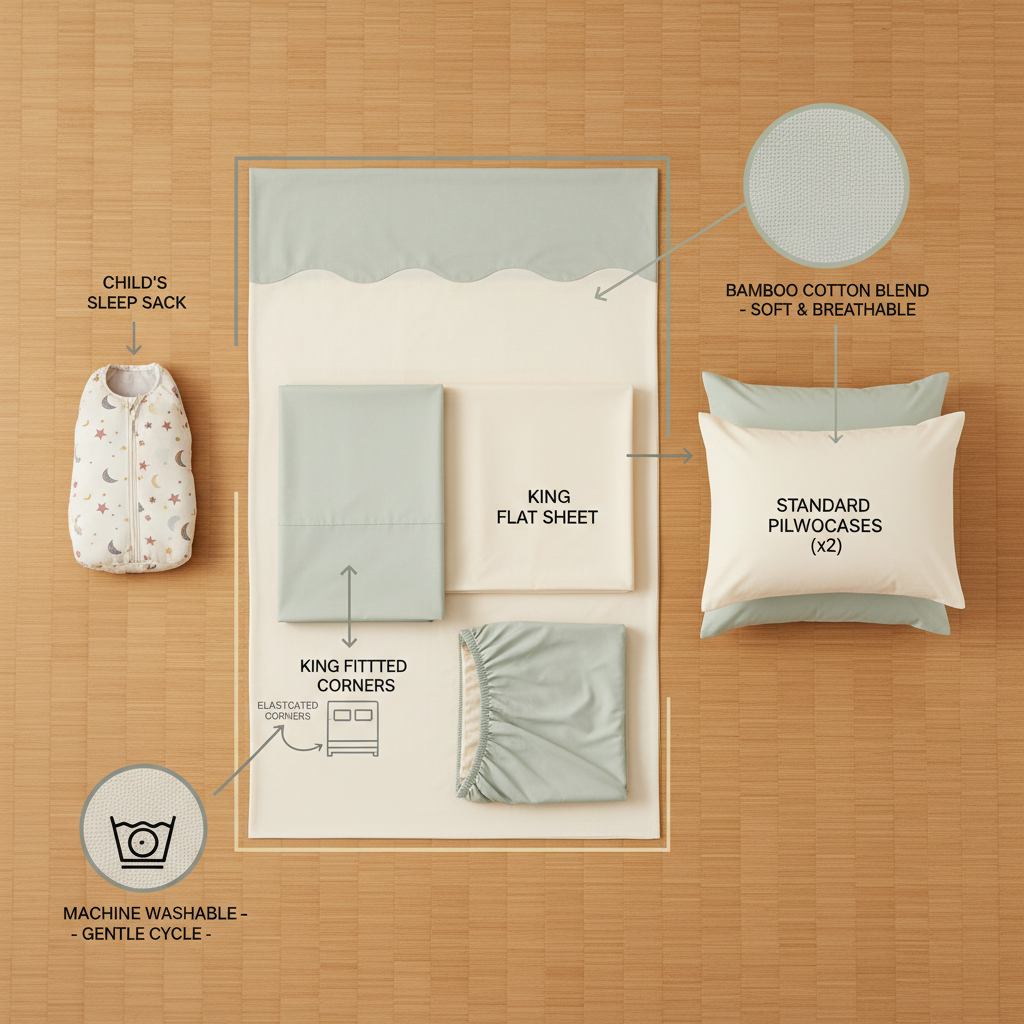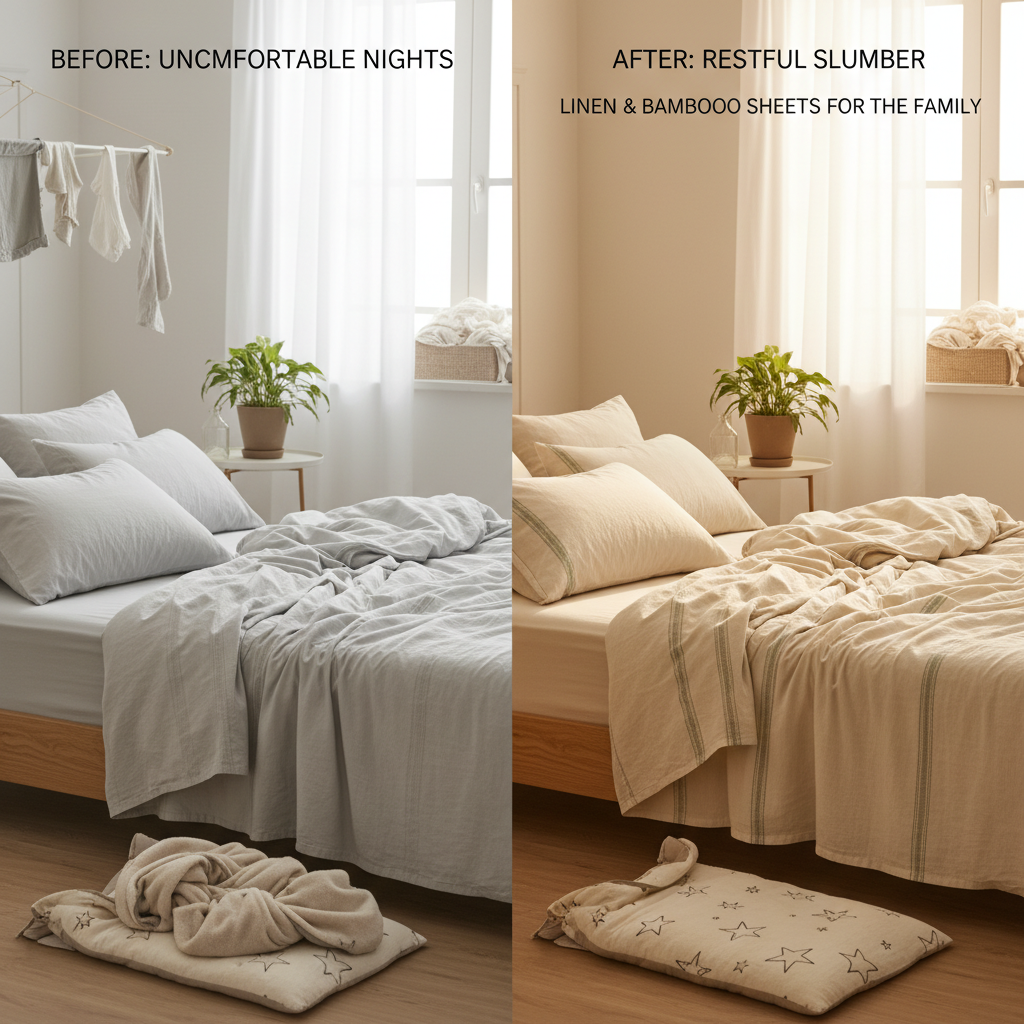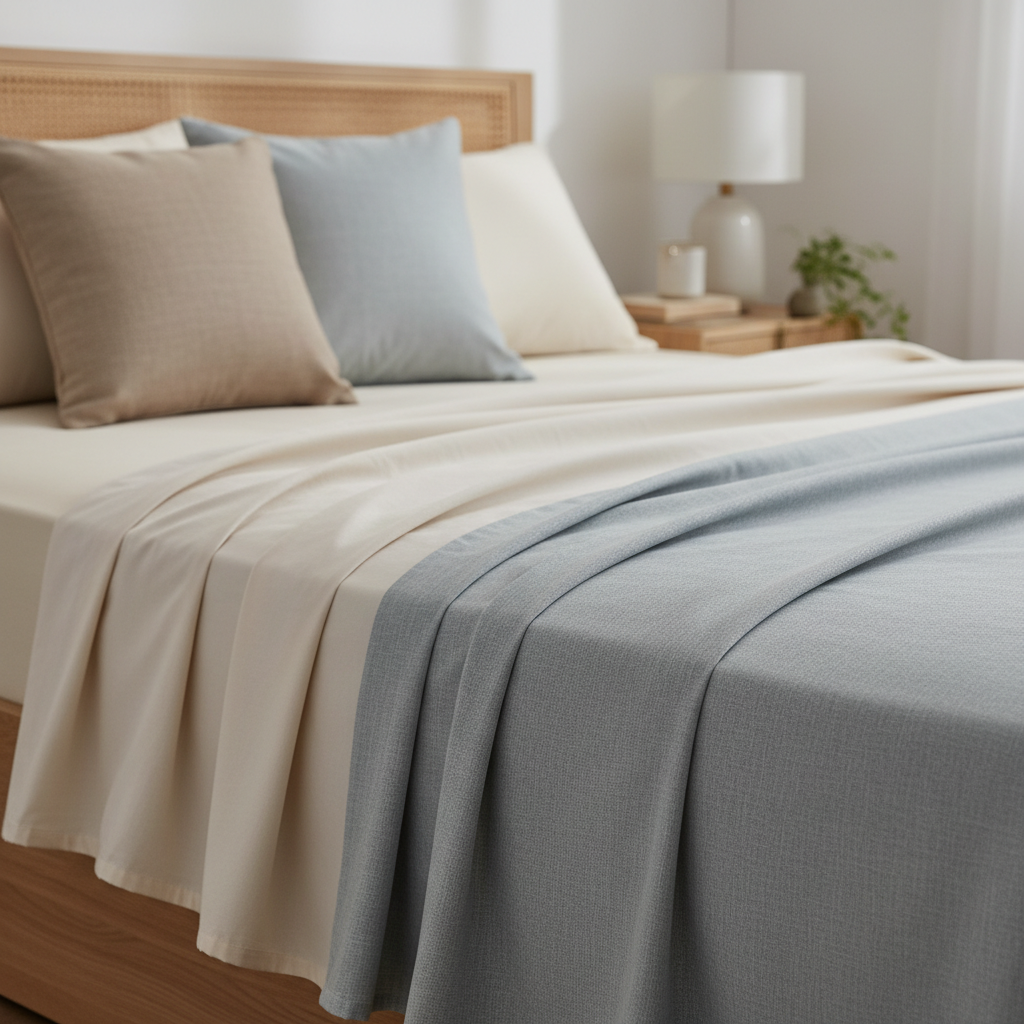


Sourcing the right textiles for large-scale hospitality or retail projects requires a balance between material purity and industrial durability. When procurement managers seek a cotton bed sheet wholesaler and manufacturer, the focus is rarely just on price, but on the consistency of the weave and the certification of the raw fibers.
The bedding industry has shifted toward a "functional comfort" model, where the luxury of long-staple cotton is integrated with technical requirements like hypoallergenic properties and high-cycle wash resistance. This evolution is particularly evident in the demand for OEKO-TEX certified products that ensure safety from harmful substances.
Evaluating a supply partner involves analyzing their production base, their ability to handle OEM/ODM customizations, and their quality control rigor. This article examines the critical parameters for selecting a textile partner and the technical standards that define high-performance cotton bedding.


The quality of a bed sheet begins with the staple length of the cotton. Long-staple cotton allows for finer yarns, which results in a smoother surface and increased strength. In a wholesale context, the "thread count" is a primary metric, but the actual weight (GSM) and the type of weave—such as percale or sateen—determine the tactile experience and longevity.
Professional manufacturers focus on the stability of the production base to ensure that every batch maintains the same shrinkage rate and color fastness. This consistency is what separates an industrial-grade supplier from a small-scale producer.
Durability in commercial bedding is measured by its ability to withstand repeated high-temperature industrial laundering without losing structural integrity. This requires a rigorous quality control system that monitors every step, from raw material inspection to final packaging. Pilling resistance and tensile strength are the two most critical technical KPIs for long-term use.
Many manufacturers now integrate blends, such as poly-cotton, to enhance durability and reduce wrinkling while maintaining the softness of natural fibers. The key is the ratio; a balanced blend ensures the sheets remain breathable yet resilient enough for the rigorous demands of hotel environments.
Furthermore, the finishing process—such as mercerization—plays a vital role. This treatment increases the luster of the cotton and improves its affinity for dyes, ensuring that white bedding stays bright and colored sheets do not fade prematurely.
While the top sheet provides comfort, the underlying layers must provide protection. Modern bedding systems often combine breathable cotton sheets with technical mattress protectors. The challenge lies in creating a barrier that prevents liquids from penetrating the mattress without trapping heat or creating a "plastic" feel.
The integration of 160gsm microfiber terry and knitted fabrics creates a synergistic effect: the terry provides a soft, absorbent surface, while the knitted layer ensures airflow, maintaining a stable sleeping temperature.
For specialized environments like hospitals or high-end hotels, antibacterial and anti-dust mite properties are no longer optional. These are achieved through nonwoven techniques and specialized coatings that prevent the growth of microorganisms without compromising the skin-friendly nature of the fabric.
When comparing different textile specifications, buyers typically use a relative performance index to determine the best fit for their specific use case. For instance, a luxury boutique hotel will prioritize softness and luster, whereas a medical facility will prioritize waterproof barriers and antibacterial efficacy.
The following index illustrates the relative priority of different fabric attributes across various commercial sectors, highlighting how the choice of a cotton bed sheet wholesaler and manufacturer must align with the end-user's operational goals.
In a typical industrial setting, such as a hotel chain, the operational lifecycle of a sheet is determined by the speed of the laundry turnover. Sheets must be designed to handle aggressive chemical detergents and high-heat drying. This is where the expertise of Hebei Spring-Tex becomes evident, offering a diverse selection of fabrics from cotton jersey to bamboo jacquard, tailored to different luxury levels.
Conversely, in healthcare settings, the focus shifts to hygiene and risk management. The use of waterproof mattress protectors with antibacterial properties prevents cross-contamination and protects the underlying mattress from spills, ensuring a sanitary environment for patients while reducing the overall cost of mattress replacement.
The textile industry is facing increasing pressure to adopt sustainable practices. This includes the transition to organic cotton and the implementation of water-saving dyeing technologies. The trend is moving toward a circular economy where durability is viewed as a sustainability feature—the longer a product lasts, the lower its environmental footprint.
Certification standards like OEKO-TEX are becoming the baseline for global trade. Buyers are no longer just asking for "cotton" but for "traceable cotton" that meets stringent safety requirements. This shift is pushing manufacturers to be more transparent about their supply chains and production methods.
We are also seeing a rise in the use of innovative materials like PE microfiber icy-cool fabrics and bamboo blends, which offer functional advantages (such as temperature regulation) while often requiring fewer chemical inputs during the manufacturing process compared to traditional synthetic alternatives.
Selecting a partner involves more than comparing price lists. A robust framework should evaluate the manufacturer's capacity for OEM/ODM orders, their response time—such as the ability to reply within working hours—and their adherence to international quality standards.
The trade-off often exists between initial cost and total cost of ownership (TCO). A cheaper sheet that pills after ten washes is more expensive over a year than a premium sheet that lasts fifty. Therefore, the evaluation must focus on the "cost per wash" rather than the "cost per unit."
The following table provides a comparative analysis of common bedding materials to help procurement officers make informed decisions based on their specific operational constraints.
| Material Type | Durability Index | Breathability | Primary Application |
|---|---|---|---|
| 100% Long-Staple Cotton | High | Excellent | Luxury Hotels / Home |
| Poly-Cotton Blend | Very High | Good | Budget Hotels / Hostels |
| Bamboo Jacquard | Medium | Excellent | Eco-Resorts / Wellness |
| Microfiber Terry | High | Fair | Protectors / Hospitals |
| Cotton Jersey | Medium | High | Family Guest Houses |
| Polyester Knitted | Very High | Fair | Industrial Protection |
Thread count refers to the number of horizontal and vertical threads per square inch. While a higher count generally suggests a denser and smoother fabric, it is not the only indicator of quality. The quality of the cotton fiber (staple length) and the weave type are more critical. A low-quality high-thread-count sheet using thin, multi-ply yarns can actually be less durable and less breathable than a lower-count sheet made from premium long-staple cotton.
A mattress cover is typically a decorative or basic layer that protects the mattress from dust and general wear. A mattress protector is a functional tool designed to provide specific barriers—such as waterproof membranes against spills or antibacterial treatments against allergens. For example, a technical protector using 160gsm microfiber terry provides both a comfort layer and a liquid barrier, which is essential for hygiene in hospitals and hotels.
Prioritize suppliers who provide certifications like OEKO-TEX, as this guarantees the absence of harmful chemicals. Check for a stable production base and the ability to handle OEM/ODM requests if you need custom sizes or branding. Additionally, evaluate their communication efficiency and quality control systems—specifically how they monitor the production process from the raw fabric stage to final packaging to ensure on-time delivery and product consistency.
It depends on the operational goals. 100% cotton offers superior breathability and a luxury feel, which is critical for high-end branding. However, poly-cotton blends are often more practical for high-turnover environments because they are more resistant to wrinkles, shrink less during industrial washing, and generally have a longer lifespan under aggressive cleaning cycles, reducing the frequency of replacement.
High-quality protectors utilize tight-weave fabrics or specific antibacterial treatments that act as a physical and chemical barrier. By preventing dust mites and other allergens from entering or exiting the mattress foam and springs, these protectors reduce the triggers for allergic reactions. Products with anti-dust mite properties are particularly recommended for healthcare facilities and guest rooms to ensure a healthier sleeping environment for all users.
GSM (Grams per Square Meter) measures the density and weight of the fabric. In mattress protectors, a 160gsm microfiber terry fabric provides a balanced profile: it is heavy enough to offer significant cushioning and protection against spills, but light enough to remain breathable. If the GSM is too low, the product may wear out quickly; if it is too high, it may become too hot and uncomfortable for the user.
The selection of a cotton bed sheet wholesaler and manufacturer is a strategic decision that impacts both the guest experience and the operational budget. By focusing on technical specifications—such as fiber staple length, GSM, and certification—rather than just price, procurement managers can ensure a sustainable supply of bedding that meets global safety and quality standards.
As the industry moves toward a blend of luxury and technical functionality, the most successful partnerships will be those based on transparency, rigorous quality control, and a deep understanding of the specific application environment, whether it be a luxury suite or a clinical ward.



Address
1010, ZHONGYUAN BUILDING, NO.368 NORTH YOUYI STREET. SHIJIAZHUANG,HEBEI,CHINA.