

When sourcing bedding for large-scale hospitality or retail projects, the tension between cost efficiency and material quality is a constant challenge. Many procurement managers search for cheap cotton bed sheets, but the real goal is finding a "value-optimized" product that doesn't compromise on breathability or durability. The bedding market is flooded with options, yet identifying a supplier that balances affordability with professional-grade textile standards remains difficult for those managing high-turnover inventories.
The importance of this selection process extends beyond the initial purchase price. In environments like hotels or hospitals, the lifecycle of a sheet—measured by its resistance to repeated industrial washing and its ability to maintain a soft hand-feel—determines the actual cost per use. Integrating high-quality sheets with complementary products like Bedding Set components, Mattress Protectors, and Pillowcases creates a cohesive sleep system that enhances user comfort while protecting the underlying mattress investment.
To navigate these choices, one must understand the intersection of fabric weight, weave, and manufacturing certifications. By analyzing the technical specifications of cotton blends and the operational advantages of specialized textile bases, buyers can secure a sustainable supply chain. This guide examines how to identify high-value cheap cotton bed sheets that meet rigorous industry standards without inflating the budget.


Value-driven cotton bedding is not defined by the lowest possible price, but by the optimization of material cost against performance. In the context of home textile manufacturing, this involves selecting specific cotton grades—such as long-staple or blended cotton—that provide the necessary tensile strength for industrial use while remaining affordable for mass distribution. The focus is on achieving a balance where the fabric remains breathable and soft but resists the thinning often associated with lower-tier budget options.
From a manufacturing perspective, the efficiency of the production base plays a critical role. Companies with integrated quality control systems, like Hebei Spring-Tex, ensure that the sheets maintain consistent thread counts and dimensional stability across thousands of units. This structural consistency is what separates a professional "cheap" sheet from a consumer-grade product that fails after a few washes.
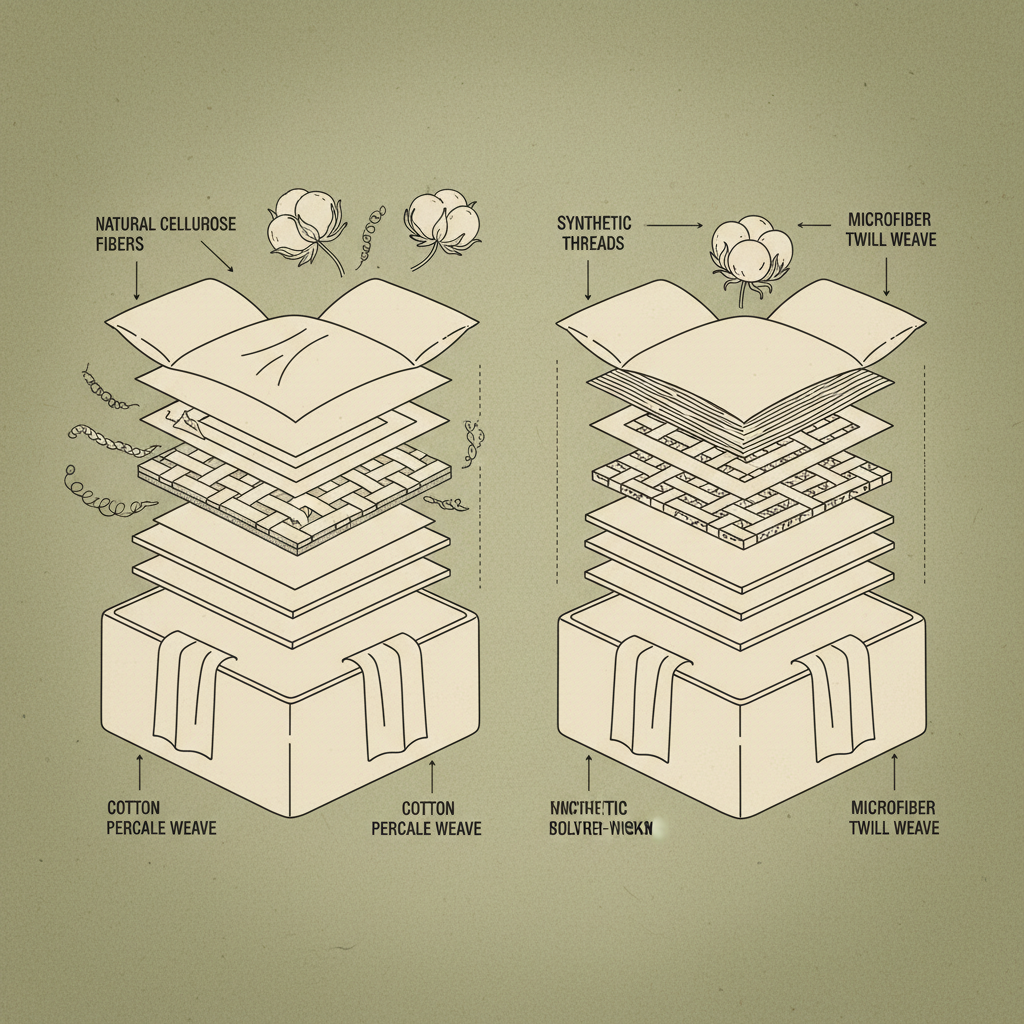
The longevity of a cotton sheet is primarily dictated by the fiber quality and the weave density. A higher thread count is often marketed as a luxury, but for value-driven procurement, the focus should be on the "staple length" of the cotton. Longer fibers create fewer ends in the yarn, resulting in a smoother surface and a fabric that is less prone to pilling. When combined with a tight percale or sateen weave, the resulting sheets offer a professional crispness that withstands the rigors of frequent laundering.
True value in bedding is realized when the fabric's breathability matches its durability; selecting EU OEKO-TEX certified cotton ensures that the cost-saving measures do not introduce harmful chemicals, maintaining a safe and hypoallergenic environment for the end-user.
Beyond the cotton itself, the finishing process is a key variable. Industrial-grade bedding often undergoes specific treatments to improve wrinkle resistance and color fastness. For those seeking an economical yet professional result, focusing on poly-cotton blends can be a strategic move, as the polyester component adds structural reinforcement and reduces drying time, while the cotton maintains the essential comfort and airflow required for a restful sleep.
Strategic fabric selection transforms a simple bedding purchase into an operational asset. By choosing fabrics that align with the specific needs of the facility—such as 160gsm microfiber terry for protectors or breathable cotton for sheets—operators can reduce the frequency of replacement cycles. This shift from "lowest price" to "lowest total cost of ownership" allows businesses to allocate budgets more effectively across their entire bedding set.
Optimizing fabric choice reduces long-term overhead by decreasing laundry energy costs and extending the product lifespan, directly improving the ROI of the hospitality facility's textile inventory.
Furthermore, the compatibility of sheets with protective layers, such as waterproof mattress protectors, is essential. When high-breathability cotton sheets are paired with a breathable yet waterproof barrier, the sleep surface remains dry and clean without sacrificing the cooling properties of the cotton. This synergy ensures that the bedding system works together to protect the mattress while providing a premium experience for the guest.
Evaluating different textile materials requires a look at specific performance metrics: breathability, durability, ease of care, and cost. While 100% cotton is the gold standard for comfort, poly-cotton blends often lead in durability and maintenance efficiency. Microfiber options, particularly in protectors, offer unparalleled waterproof capabilities that cotton cannot achieve alone.
The following data represents a relative performance scale across five key bedding materials commonly used in professional settings. This comparison helps buyers determine which material fits their specific operational priorities, whether they prioritize a luxury feel or extreme durability.
Budget-friendly cotton sheets are most effective when deployed in high-turnover environments where a balance of cleanliness and cost is paramount. In the hospitality sector, mid-range hotels and boutique guest houses benefit from these products because they provide a professional aesthetic and acceptable comfort levels while keeping the replacement budget manageable. Similarly, in humanitarian aid or temporary housing, the priority is on hygiene and rapid deployment, making cost-effective cotton sets the ideal choice.
In residential settings, these products are optimal for guest rooms or children's bedrooms where frequent washing is required. The key to success in these scenarios is ensuring the product is OEKO-TEX certified, which guarantees that despite the lower price point, the materials are safe for skin contact and free from hazardous substances. By matching the sheet grade to the specific usage frequency, owners can maximize the lifespan of their bedding.
The home textile industry is moving toward a model of "conscious affordability," where cheap bedding must also be sustainable. We are seeing a rise in the use of organic cotton and bamboo jacquard air layer fabrics, which offer a lower environmental footprint without significantly increasing the price for the end consumer. This evolution is driven by both consumer demand and stricter global environmental regulations.
Technological advancements in weaving and dyeing are also reducing water and energy consumption during production. The integration of PE microfiber icy-cool fabrics into bedding sets represents a trend toward functional textiles—products that don't just cover a bed but actively manage temperature and moisture. This move toward "smart" but affordable fabrics allows manufacturers to offer specialized solutions for different climates.
Ultimately, the future of the industry lies in the ability of manufacturers to scale these innovations. As production bases become more efficient, the gap between "premium sustainable" and "budget-friendly" is closing, making eco-friendly bedding accessible to a wider range of commercial and residential users across North America, Europe, and Asia.
The primary challenge in sourcing affordable bedding is the "quality gap"—the risk that a low-cost shipment will arrive with inconsistent sizing or poor seam strength. To mitigate this, buyers should prioritize suppliers with a rigorous quality control system that monitors production from raw material to final packaging. Working with a partner who welcomes OEM and ODM orders allows for precise specifications that match the buyer's exact needs.
Another common issue is the lack of responsiveness from overseas vendors, which can lead to project delays. Establishing a relationship with a supplier that guarantees rapid communication—such as replies within 15 minutes during working hours—ensures that technical queries regarding fabric weight or certification are resolved quickly, preventing costly ordering errors.
Finally, balancing a diverse product range is crucial. A buyer should not just look for sheets, but a complete solution including pillow protectors and mattress encasements. By consolidating the order with a specialized exporter like Hebei Spring-Tex, buyers can ensure material consistency across the entire bedding set, which simplifies the laundry process and maintains a uniform look in professional settings.
| Material Type | Breathability | Durability | Primary Use |
|---|---|---|---|
| 100% Cotton | Excellent | Moderate | Luxury Hotels |
| Poly-Cotton Blend | Good | High | Budget Hotels |
| Bamboo Jacquard | High | Moderate | Eco-Resorts |
| Microfiber Terry | Moderate | Very High | Protectors |
| Cotton Flannel | Moderate | Moderate | Winter Use |
| PE Icy-Cool | High | High | Summer Use |
They are viable when the manufacturing focus is on "value optimization" rather than just cost reduction. By using standardized cotton grades and efficient production bases, manufacturers can produce sheets that maintain professional durability and breathability. The key is ensuring the products meet international safety standards, such as EU OEKO-TEX, to ensure they are suitable for commercial hospitality use.
Focus on the staple length of the cotton and the weave density. Long-staple cotton creates a stronger yarn with fewer ends, which significantly reduces pilling. Additionally, choosing a poly-cotton blend can increase the structural integrity of the fabric, making it more resistant to the abrasive nature of industrial washing machines compared to 100% low-grade cotton.
Yes, provided they are certified by recognized bodies like OEKO-TEX. Hypoallergenic properties depend on the absence of harsh chemical residues and the inherent breathability of the cotton fiber. Professional suppliers ensure that the finishing processes are clean and that the fabrics are effectively treated to be anti-dust mite and antibacterial, especially when paired with specialized protectors.
The most effective method is using them in conjunction with high-quality mattress and pillow protectors. A waterproof, breathable protector prevents stains and moisture from reaching the mattress, while the sheets handle the primary contact. This layered approach reduces the wear on the most expensive parts of the sleep system and allows sheets to be replaced on a predictable cycle without risking the mattress.
Evaluate their quality control system, production capacity, and communication speed. A reliable supplier should offer clear specifications on fabric weight (gsm) and material composition. Check if they support OEM/ODM orders, as this indicates their ability to tailor products to your specific needs. Finally, verify their export experience in your target market to ensure they understand local quality expectations.
Flat sheets offer more versatility in how they are tucked and are often slightly more durable because they have fewer stressed seams. Fitted sheets provide a tighter fit and less maintenance during bed-making. From a value perspective, fitted sheets are more efficient for fast-paced hospitality environments, while flat sheets are often preferred in high-end luxury settings for their traditional aesthetic.
Securing high-quality yet affordable cotton bedding requires a strategic shift from looking for the lowest price to searching for the highest relative value. By focusing on material certifications, fiber staple length, and the synergy between sheets and protectors, procurement managers can maintain professional standards while optimizing their budgets. The key lies in partnering with a manufacturer that integrates rigorous quality control with a deep understanding of the global textile market.
Whether you are equipping a hotel, a hospital, or a retail line, the right textile choice ensures long-term operational efficiency and guest satisfaction. For those seeking a reliable partner in home textile production, exploring the diverse fabric options and customized OEM services at www.springtextextile.com can provide the necessary foundation for a sustainable and comfortable bedding solution.



Address
1010, ZHONGYUAN BUILDING, NO.368 NORTH YOUYI STREET. SHIJIAZHUANG,HEBEI,CHINA.