

Buy High Quality and Cheap Cotton Sheet Sets for Hotels and Home
Finding the right balance between affordability and comfort is a primary challenge for hospitality managers and household procurement officers. While the market is flooded with low-cost options, the actual value lies in sourcing materials that maintain structural integrity after repeated industrial laundering. High-quality bedding isn't just about the thread count; it's about the breathability of the fiber and the precision of the weave.
For those seeking cheap cotton sheet sets, the focus must shift toward functional durability and certification. By utilizing OEKO-TEX certified cotton and advanced manufacturing processes, it is possible to secure bedding that offers a soft touch without the premium price tag. This guide explores how to evaluate wholesale bedding specifications to ensure your investment provides long-term utility across hotels, hospitals, or home environments.

Evaluating Material Integrity in Budget-Friendly Cotton Bedding
When sourcing cost-effective bedding, the primary concern is often the trade-off between price and longevity. The secret to maintaining quality at a lower price point lies in the selection of the raw cotton and the weaving technique. Long-staple cotton, even in budget ranges, provides a smoother surface and higher resistance to pilling compared to shorter fibers.
Modern textile engineering allows for a variety of blends that enhance performance. For instance, combining cotton with specific polyester ratios can create a fabric that is more resistant to wrinkles and dries faster, which is critical for high-turnover environments like hotels. However, for those prioritizing skin sensitivity and breathability, 100% cotton remains the gold standard due to its natural hypoallergenic properties.
- Breathability: Essential for regulating sleeping temperature and preventing moisture buildup.
- OEKO-TEX Certification: Ensures the fabric is free from harmful chemicals, making it safe for all skin types.
- Weave Density: Determines the "crispness" of the sheet and its ability to withstand friction.

Functional Applications Across Commercial and Residential Sectors
Different environments demand different bedding characteristics. In a hotel setting, the priority is a combination of a "luxury feel" and extreme durability. Flat sheets and fitted sheets must be able to withstand high-temperature industrial washes without shrinking or losing their shape. This is where precision cutting and reinforced stitching become vital.
In healthcare or humanitarian settings, the focus shifts toward hygiene and ease of maintenance. Breathable cotton is preferred to prevent skin irritation for patients who spend long periods in bed. Additionally, the integration of mattress protectors—such as those made from breathable polyester microfiber—serves as a critical first line of defense against spills and bacteria, extending the lifespan of the underlying cotton sheets.
For home use, the preference often leans toward aesthetics and personalized comfort. The ability to customize colors and sizes allows residential buyers to match their interior design while still benefiting from the wholesale pricing typically reserved for commercial entities.
Strategic Procurement: Balancing Cost and Quality Standards
Procuring bedding in bulk requires a systematic approach to avoid common pitfalls. Many buyers make the mistake of focusing solely on the lowest unit price, ignoring the "cost per wash." A slightly more expensive set that lasts 100 washes is significantly cheaper than a budget set that degrades after 30.
Working with an OEM/ODM partner allows for the optimization of specifications. For example, a buyer can request a specific weave for the pillowcases while keeping the flat sheets simple, thereby reducing costs without sacrificing the perceived quality of the bedding set. Quality control monitoring from the initial yarn stage to final packaging ensures that the delivered product matches the approved sample.
Key procurement considerations include:
- Sample Validation: Always request samples (typically 3-7 workdays) to test wash-shrinkage and hand-feel.
- Lead Time Management: Accounting for mass production cycles (typically 25-35 days) to ensure on-time delivery.
- Certification Verification: Confirming OEKO-TEX standards to meet international safety requirements.
Bedding Material and Application Comparison Matrix
| Material Type | Durability | Breathability | Primary Application |
|---|---|---|---|
| 100% Long-Staple Cotton | High | Excellent | Premium Hotels / Home |
| Poly-Cotton Blend | Very High | Medium | Budget Hotels / Hostels |
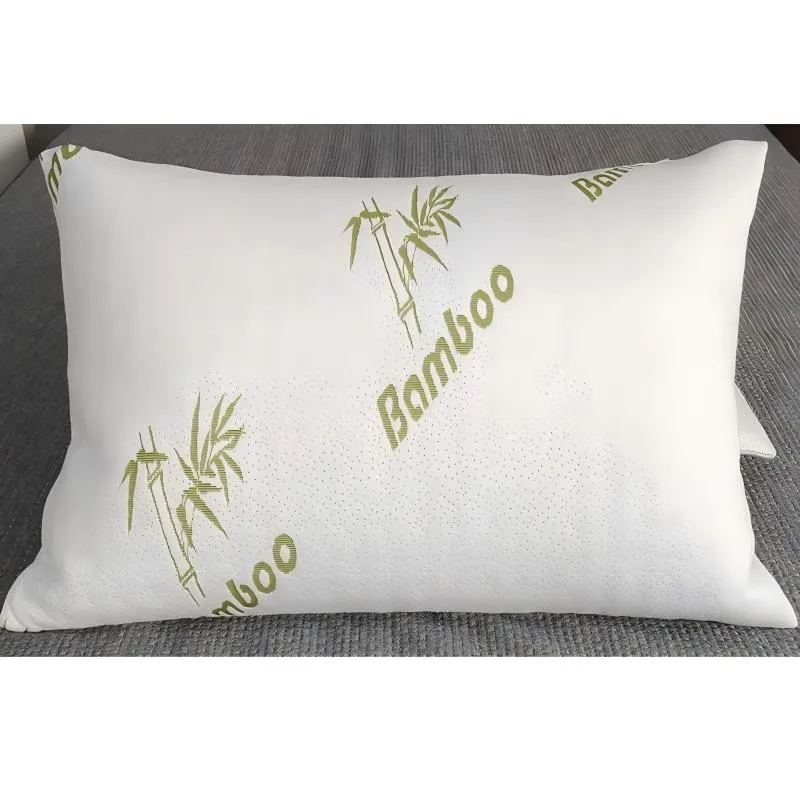
| Bamboo Jacquard | Medium | High | Eco-friendly / Luxury Spas |
| Cotton Jersey | Medium | High | Casual Home / Children's Bedding |
| Polyester Microfiber | High | Low/Medium | Protective Covers / Liners |
Quality Control Systems in Textile Manufacturing
Reliability in textile supply stems from a rigorous quality control system. This process begins with the inspection of raw cotton fibers to ensure there are no impurities that could cause spotting or weakness in the fabric. During the weaving process, tension control is monitored to prevent uneven patterns or "bars" in the cloth.
The cutting and sewing phase is where most defects occur. Utilizing advanced machinery and skilled labor ensures that seams are straight and hems are secure. For fitted sheets, the elasticity of the corners is tested to ensure they remain snug on the mattress without slipping. Final inspection involves a detailed check for loose threads, stains, and accurate packaging labels.
By maintaining these standards, manufacturers can offer competitive pricing while guaranteeing that the product meets the functional needs of the end-user. This systematic approach minimizes waste and prevents costly returns, creating a more sustainable supply chain for both the manufacturer and the buyer.
Future Trends in Sustainable and Functional Bedding
The bedding industry is moving toward a fusion of sustainability and high-performance functionality. There is a growing demand for organic cotton and bamboo-derived fabrics that reduce the environmental footprint of textile production. These materials are not only eco-friendly but often provide superior moisture-wicking properties compared to traditional cotton.
Another emerging trend is the development of "smart" fabrics that can regulate temperature based on the sleeper's body heat. While these are currently at a premium price point, the manufacturing techniques used to create them are slowly trickling down to more affordable ranges. We are seeing more air-permeable structures and "icy-cool" PE microfiber fabrics becoming accessible for the mass market.
For the strategic buyer, the goal is to stay ahead of these trends by partnering with suppliers who are capable of both OEM and ODM services. This allows for the rapid adoption of new materials and designs, ensuring that the bedding offered remains competitive and aligned with evolving consumer preferences for health, safety, and sustainability.
Frequently Asked Questions About Wholesale Cotton Bedding
How can I tell if a budget cotton sheet set is actually durable?
Check the fiber length and the weave. Long-staple cotton is more durable. Additionally, look for OEKO-TEX certification and request a sample to perform a wash-test for shrinkage and pilling before placing a mass order.
What is the typical lead time for mass production of bed linens?
Mass production generally takes between 25 to 35 days, depending on the order volume and customization requirements. Samples are typically delivered within 3 to 7 workdays.
Are poly-cotton blends better than 100% cotton for hotels?
It depends on your goals. Poly-cotton blends are generally more durable, wrinkle-resistant, and faster to dry, making them cost-effective for high-turnover hotels. 100% cotton offers superior breathability and a more premium feel.
Can I customize the color and size of the sheets for my brand?
Yes, OEM and ODM services allow for full customization of colors, dimensions, and packaging to meet specific brand requirements or promotional needs.
How should cotton fitted sheets be maintained to ensure longevity?
We recommend machine washing in cold water to prevent shrinkage and using a tumble dryer on low to medium heat. Avoid harsh bleach, which can break down the cotton fibers over time.
What is the benefit of adding a mattress protector to a bedding set?
A waterproof or breathable protector safeguards the mattress from spills and wear, preventing the buildup of dust mites and bacteria, which significantly extends the life of the mattress and the sheets.
Industry Technical Resources
- OEKO-TEX Standard 100 Certification Guidelines
- Global Textile Manufacturing Trends and Analysis
- Cotton Incorporated - Fiber Quality and Standards
- ISO Standards for Textile Quality Management
Selecting the right bedding requires a deep understanding of material science and operational needs. By focusing on certified quality and strategic sourcing, businesses can provide exceptional comfort while maintaining a sustainable budget.
Related Industry Insights